Emergency Locksmith Response During a Downtown Charlotte Office Lockout
An office full of employees locked outside at the start of the workday. That’s the kind of situation no business wants to face—but it's exactly what unfolded for a local company in downtown Charlotte. Fortunately, the team at Discount Locks & Keys responded promptly and resolved the situation with professionalism, discretion, and care.
As a trusted locksmith Charlotte, we’ve handled dozens of these scenarios, but this one serves as a perfect example of why office lockout service matters and what can be done to prevent these emergencies in the future.
The Call That Came In at 7:45 AM
It was early—7:45 AM on a busy weekday—when a manager from a growing business in a multi-tenant downtown office building called us in distress.
“We’re locked out of our office. Everyone’s outside. We have meetings in 30 minutes, and no one can get in.”
The main entry door to their office suite had stopped responding to the key, and several staff members were already waiting in the hallway. It was prime working hours, and the situation was stalling productivity before the workday even began.
Our team went into action immediately to resolve the downtown Charlotte lockout.
Why Office Lockouts Are Common in Downtown Charlotte
It might surprise some, but office lockouts in bustling areas like downtown Charlotte are more frequent than you'd think. Here are some contributing factors:
Heavy foot traffic and daily wear on office locks, especially in buildings where dozens of employees use the same door repeatedly throughout the day. Constant usage naturally causes faster degradation of mechanical components.
Multi-tenant layouts, where shared building infrastructure like lobbies and elevator access create complicated entry flows. Businesses often depend on a single access point, increasing risk when something goes wrong.
Outdated locks or key systems that haven’t been maintained regularly. Many commercial spaces still rely on older mortise locks, which may not perform reliably over time without proper servicing.
Lack of key control, especially in shared workspaces or growing teams. Keys may be copied, bent, or lost over time, with no one keeping track of how many are in circulation or who still has access.
Getting There Fast: Our Emergency Dispatch Process
As an experienced emergency locksmith in Charlotte, speed and efficiency are critical parts of our service. Here’s how we responded that morning:
Verified the requester's authority and location, confirming they were indeed the business owner/manager and had valid credentials. This step is crucial for security and liability purposes before dispatching a tech.
Located our nearest technician using live GPS tracking to reduce response time. Our mobile locksmith units are spread throughout the Charlotte metro area for exactly this reason.
Dispatched the unit with all commercial-grade tools required for an array of locking systems—everything from mortise cylinders to smart locks and push bar mechanisms.
Arrived on-site within 27 minutes, even during morning traffic, allowing us to assess the situation before 8:15 AM and begin resolving the issue before meetings began.
Our ability to act quickly and professionally is what makes us the preferred choice for businesses needing fast locksmith service in Charlotte.
The Lock System in Question: What We Found
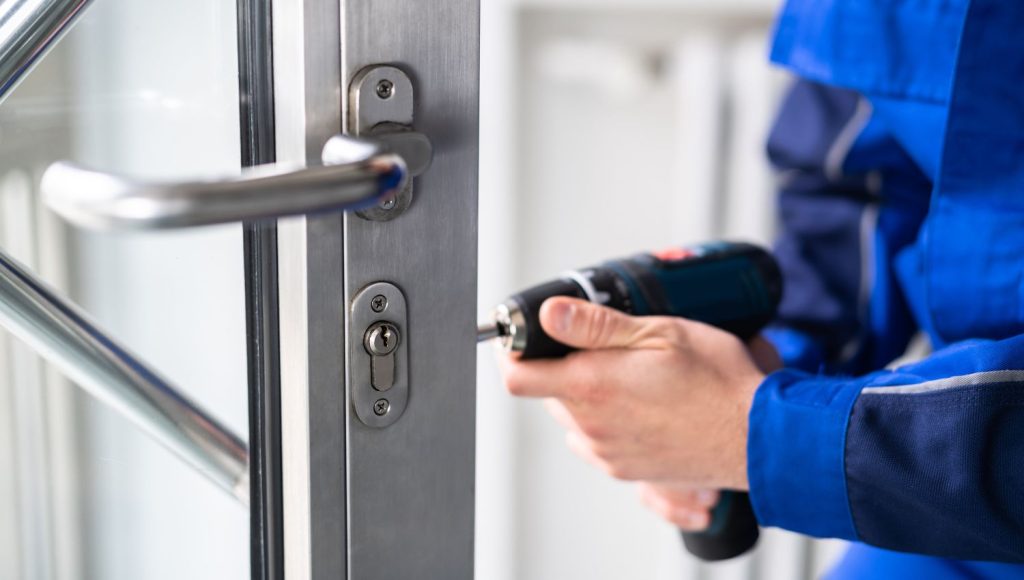
Upon arrival, our technician inspected the primary entry lock and immediately identified the issue.
The office used a mortise-style commercial lock, which is durable but often overlooked when it comes to regular maintenance. In this case, the interior spring mechanism had weakened over time, making key insertion unreliable.
The lock cylinder showed signs of internal dust, grime, and light corrosion, likely caused by years of exposure and lack of lubrication—common in high-traffic business environments.
The strike plate and door alignment were slightly off, likely due to building settling or long-term wear. This misalignment placed stress on the locking bolt, worsening the mechanical failure.
Ultimately, it wasn’t user error. It was a mix of wear and improper alignment that caused the lock to fail.
Manual Override vs Drill-Out: Choosing the Right Unlocking Method
Our goal during an office lockout is always to regain access without causing unnecessary damage. Here’s how we made the right choice:
We considered drilling the cylinder, but that would have permanently damaged the lock and required immediate replacement—costly and time-consuming during work hours.
Instead, we opted to attempt a manual override, starting with a combination of high-tension picks, rotational torque tools, and lock lubrication techniques to gently manipulate the worn pins.
We also used a specialty mortise cylinder turner—designed specifically for tight commercial spaces—to apply controlled internal pressure without dislodging the cylinder housing.
This approach was successful. Within 12 minutes, the lock disengaged cleanly and we avoided any damage to the door or surrounding hardware.
Why Time Matters in Commercial Lockouts
Every minute counts when a business is locked out of its space. Here's why:
Client meetings get delayed, which can lead to lost contracts, frustration, and bad impressions—especially if it’s a first-time client.
Employees are unable to access their workstations, causing a complete halt in productivity for those who rely on office equipment or secure systems inside the premises.
Company morale dips quickly when people feel disorganized or blocked from doing their jobs. An office lockout sets a negative tone for the entire day.
Speed and professionalism in resolving these situations are critical to getting the business back on track immediately.
Solving the Problem Without Disrupting the Office
Beyond unlocking the door, we worked carefully to avoid disrupting the flow of business. Our approach was tailored for this professional environment:
We used quiet, non-invasive tools—avoiding loud drills or noisy impact tools that might alarm neighboring tenants or clients already in the lobby.
We kept all our gear neatly organized and out of sight in the hallway, maintaining a clean and professional work zone.
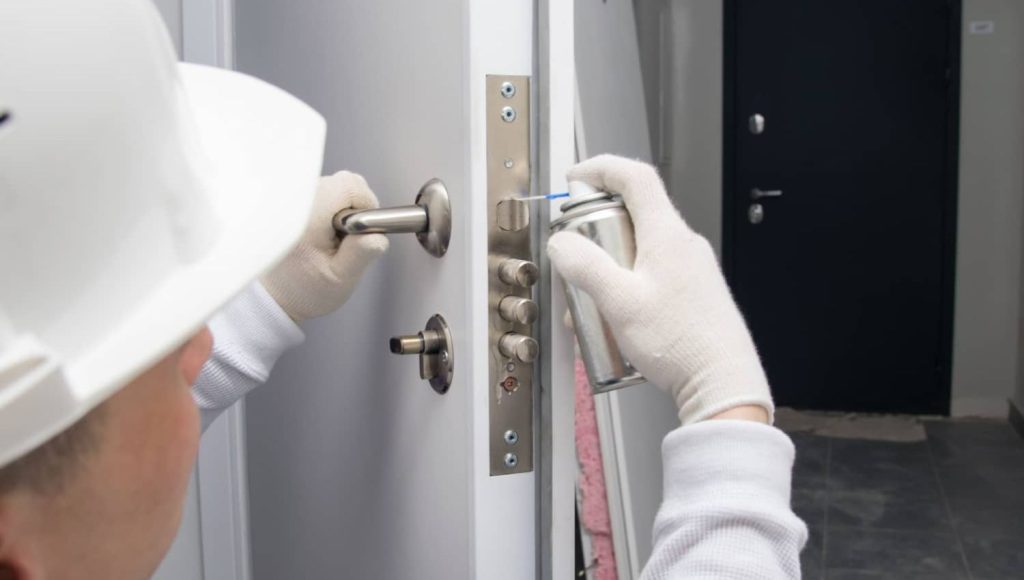
After the unlock, we performed a quick cleaning of the lock exterior and surrounding hardware to ensure the door was functional and presentable.
We completed the entire service before clients began arriving, minimizing any signs that an emergency had taken place.
Discretion matters in business settings, and our team was committed to keeping things calm, clean, and professional throughout.
Upgrades We Suggested Post-Unlock
Once we had resolved the immediate issue, we provided several smart upgrade suggestions to prevent future lockouts:
Replace the existing mortise lock with a Grade 1 lever lockset, designed for higher durability and smoother operation over time.
Install a keyless office entry system such as a commercial keypad or RFID badge system. These offer better access control, eliminate the risk of lost keys, and provide audit trails.
Add routine maintenance checks every 6–12 months, where we inspect door alignment, lubricate internal mechanisms, and test locking function.
These suggestions were well-received, and the client began planning a system-wide access upgrade with our team.
Handling Multiple Entry Points in Multi-Tenant Spaces
Commercial buildings come with complexities. This client’s office had:
Two access doors—one main entry and one back utility door. Both needed to be inspected for consistent operation.
Shared hallway access, meaning building security policies had to be followed carefully to avoid interfering with other tenants' access rights.
No centralized key management, increasing the risk of lockouts or unauthorized entry.
We coordinated with building management to assess both entry points, suggested adding a master key system, and provided recommendations for access hierarchy, ensuring flexibility without compromising security.
Preventing Future Lockouts: What the Business Learned
Following the service, the manager wanted to know how to avoid ever facing this again. Here’s the guidance we provided:
Perform a semi-annual key audit, especially if staff turnover is frequent or if keys have been copied multiple times. Knowing who has access is fundamental.
Store a master key in a secure onsite lockbox, accessible only to management or trusted personnel in the event of emergencies.
Upgrade to keyless systems where possible. Digital locks with remote access and reset features offer superior convenience and flexibility.
Schedule preventative service calls for lubricating locks, checking alignment, and identifying worn-out components before they cause failures.
These proactive steps go a long way in reducing downtime and improving security efficiency.
Tools of the Trade: What We Used That Morning
Our toolbox for this job included several commercial-grade locksmith essentials:
A high-tension commercial lockpick set designed for deep pin stacks and tight mortise keyways.
Cylinder followers and pinning tools to diagnose internal wear without disassembling the entire door.
Mortise turners and torque tools for non-destructive manipulation of jammed components.
Graphite-based lubricant to restore smooth operation after access was regained.
Each tool was chosen with care to preserve the lock’s integrity while ensuring a quick and clean resolution.
Why Having a Go-To Locksmith in Charlotte Is Essential
Emergencies like this prove why businesses should have a go-to commercial locksmith relationship in place.
Here’s why it matters:
Faster response times—you skip the vetting and verification steps when you’ve already established trust.
Better understanding of your systems—when we’ve worked on your locks before, we know what tools and solutions work best for your setup.
Ongoing service plans—we can set up annual or semi-annual maintenance schedules so that you never deal with surprises.
Peace of mind, knowing that whatever the emergency, you’ve got reliable, fast support a phone call away.
Partnering with a business locksmith service means you’re covered when it counts the most.
Frequently Asked Questions (FAQ)
How long does an office lockout take to resolve?
Most office lockout service calls are resolved within 30–60 minutes from the time we arrive, depending on lock complexity and condition.
Should we replace our locks or go keyless?
Keyless office entry systems offer more flexibility, especially in growing teams. They eliminate lost key issues and allow remote management.
Can you unlock our door without damaging the lock?
Yes. In most cases, our door unlocking service uses non-destructive methods such as lockpicking or manual overrides. Drilling is always a last resort.
What is the cost for a commercial lockout response?
Prices vary by time of day and lock type, but our emergency Charlotte locksmith rates are transparent, competitive, and always discussed before work begins.
How often should we have locks inspected or serviced?
A good rule of thumb is every 6 to 12 months, especially in high-use environments or older buildings.
Whether you're dealing with an early morning office lockout or looking to upgrade your commercial lock systems, Discount Locks & Keys is your trusted solution.
Discount Locks & Keys is a mobile locksmith service connecting customers with skilled professionals. Response times and service availability depend on the time of day, location, and other factors. While we strive to ensure reliable and efficient service, we encourage customers to confirm the qualifications of their technician. For more information, contact a representative.